Nuclear Safety Engineering and Operations Graduate Programme
Location: Devonport, Plymouth
Sector/Business unit: Nuclear
My graduate programme, why I chose it and why I chose Babcock:
I joined Babcock on the Nuclear Safety Engineering and Operations Graduate Programme. I was drawn to the programme because of the areas I enjoyed most during my degree: nuclear and safety.
My interest in these subjects developed through studying nuclear safety and examining how engineering, procedures and safety culture work together to prevent incidents. I was also fascinated by the challenges associated with handling nuclear materials and managing radioactive waste. Seeing the impact that strong safety practices can have reinforced my interest in the field and encouraged me to pursue a career in nuclear safety.
Babcock stood out because the role combined both nuclear and safety while supporting the defence sector. I wanted to apply my knowledge in a way that would directly contribute to the UK’s defence capability, and this role offered the opportunity to do that.
Another aspect that appealed to me was the structure of the graduate scheme. The two-year programme includes a variety of placements before moving into a substantive role, allowing me to explore different areas of the business and develop a broader understanding of nuclear safety before deciding where I wanted to specialise.
My favourite part of the programme:
Working across a variety of placements has given me a much broader understanding of the business and the people behind it. Each placement has helped me develop new skills, broaden my knowledge, and build a greater understanding of how different teams contribute to nuclear safety.
I also appreciate how much the programme encourages curiosity and continuous learning. I have completed more than 10 site tours to gain a better understanding of different facilities and systems, and every placement has encouraged me to ask questions, even when they relate to topics outside the immediate scope of my work. That openness has helped me develop a much deeper understanding of ongoing projects, operational processes, and future programmes of work.
In addition, I have had opportunities to lead significant pieces of work, and seeing them progress successfully has been extremely rewarding.
My most rewarding project/experience:
I have been involved in several rewarding projects during my time on the graduate programme. One of the highlights was writing fault sequences for a new facility. The project presented a number of technical challenges, giving me the opportunity to develop my knowledge, think critically and learn from experienced colleagues.
After working through these challenges, I successfully completed and formally documented the required fault sequences, which were subsequently reviewed and approved by senior members of the team. Seeing the work progress through the approval process was a particularly rewarding achievement.
More recently, I have been involved in engaging with stakeholders to determine the most appropriate processes for specific scopes of work. This required detailed discussions, clear technical justification and collaboration across multiple teams. Reaching agreement with all stakeholders and helping to establish a way forward was another rewarding experience, and one that further developed my communication and problem-solving skills.
My work-life balance:
I would describe my work-life balance as very healthy. I work to live rather than live to work, and Babcock gives me the flexibility to make the most of life outside of work.
At the Devonport site, I work a 35-hour week, which means I have plenty of time to enjoy activities outside of work. When the weather is good, I regularly play netball and rounders, as well as meeting friends for quiz nights.
Compared to university, where long evenings and weekends spent studying were common, the structure of the working day feels very freeing. Once I finish work, I can switch off and focus on my personal time.
One of my favourite benefits is the half-day Friday. At the moment, I can fit my driving lessons in straight after work and still have the rest of the afternoon free, making the weekend feel that little bit longer.
My development:
From the start of the programme, we were given a framework of objectives and placements, which helped guide my development and provided a clear understanding of the experience and skills I needed to gain throughout the scheme.
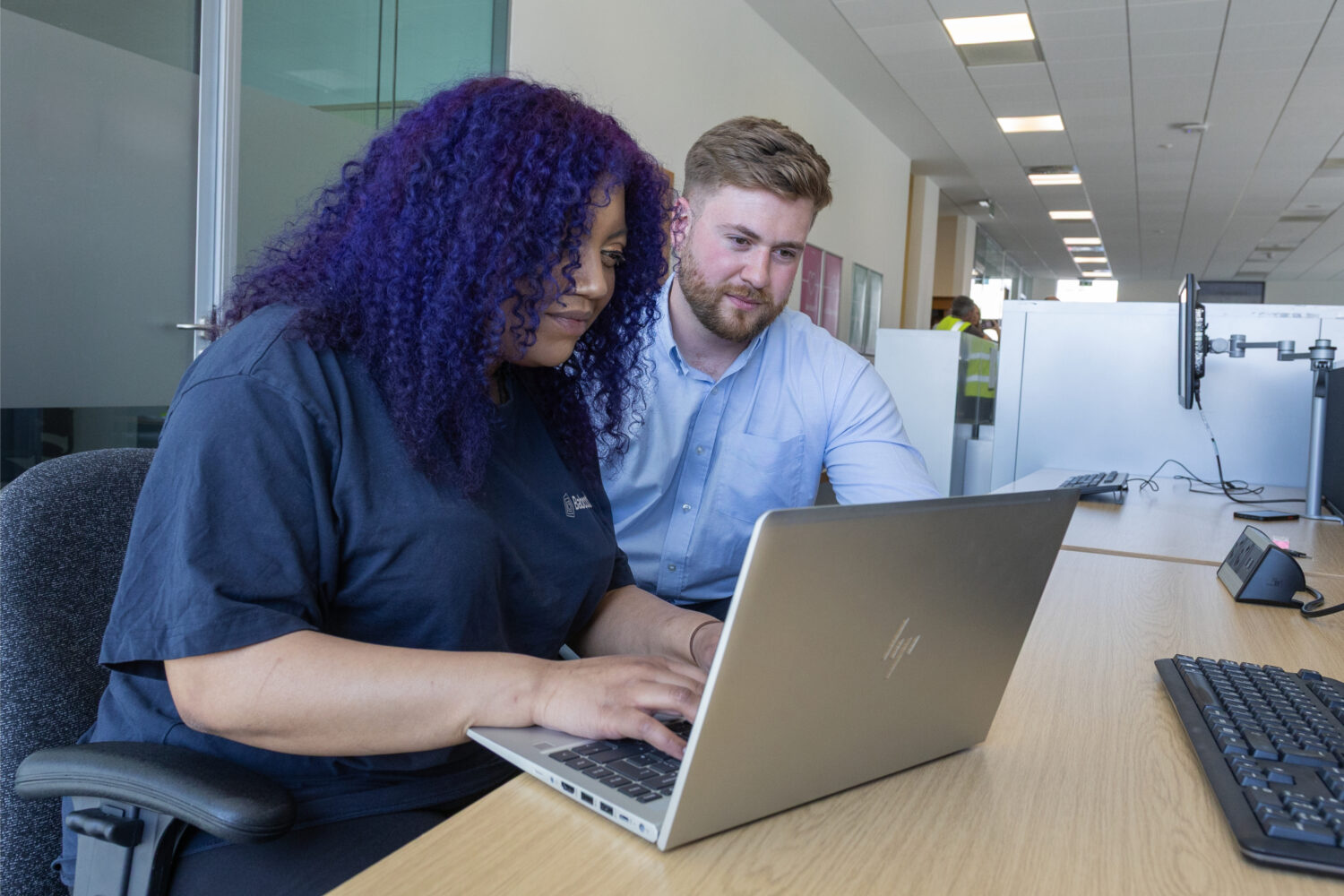
I also benefit from a strong support network. My mentor provides long-term guidance through regular meetings, where we discuss topics such as career development, chartership and any questions I may have. Within each placement, my line manager helps me set objectives and identify opportunities to achieve them.
The graduate scheme is further supported by dedicated Safety and Operations leads, who run regular drop-in sessions where graduates can raise questions, share experiences and discuss any challenges they may be facing. In addition, I have an Emerging Talent Adviser who provides guidance and support throughout the programme. Together, these support networks have helped me make the most of my development opportunities and given me confidence throughout my graduate journey.
Learn more about our Nuclear Safety Engineering and Operations Graduate Programme and apply online.