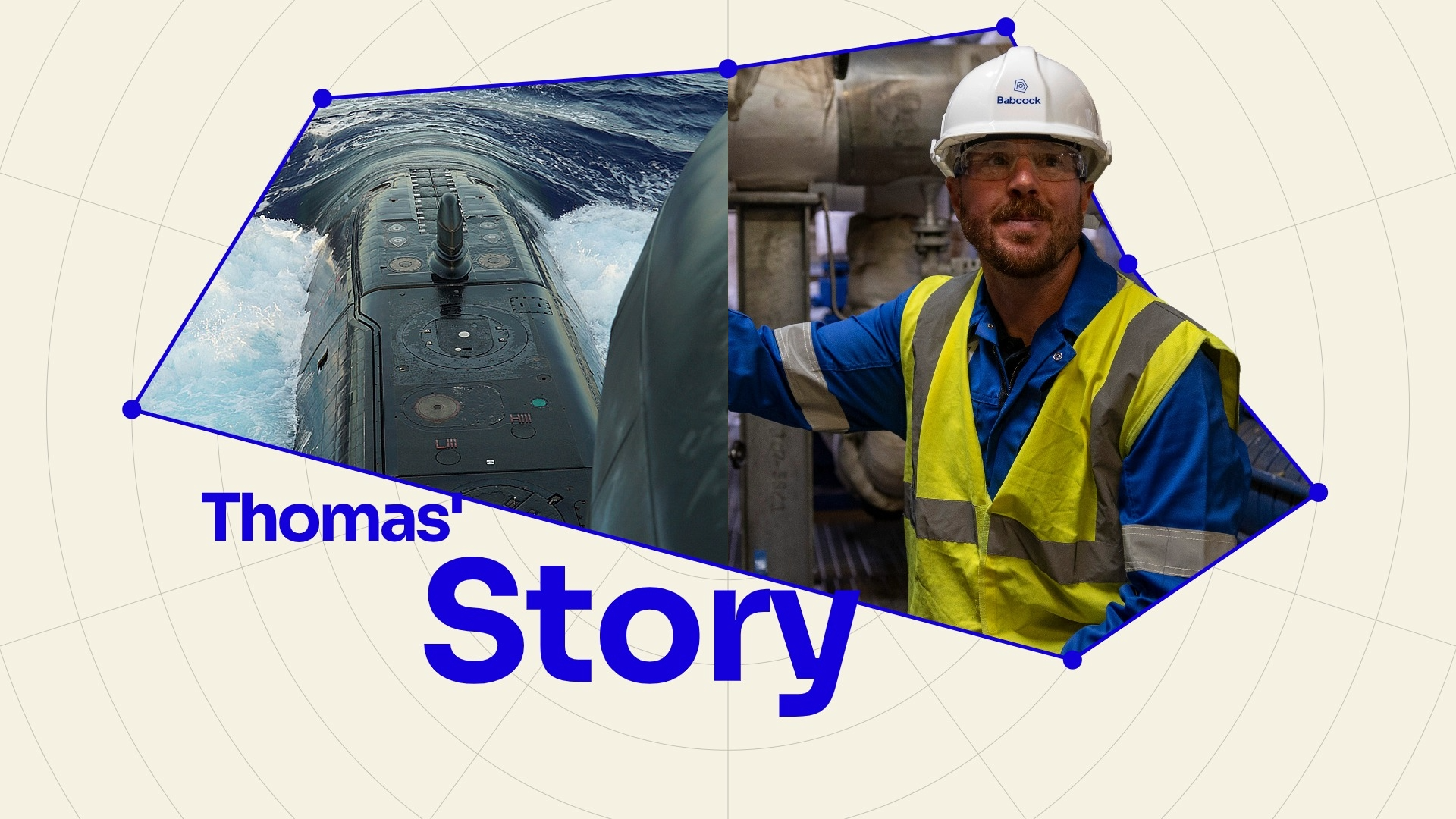
Thomas, Senior Systems & Transversals Engineer
“When people ask me what Systems Engineering is, I usually explain that it’s about making sure all the pieces of a complex problem fit together.
On a submarine, there are specialists working across mechanical systems, electrical systems, structures, safety, maintenance and many other disciplines. My role is to look across all of those areas and ensure they work together to deliver the overall outcome. Rather than focusing on a single component or system, I’m responsible for helping solve the bigger picture.
If one team is changing a mechanical component, for example, I’m looking at what impact that might have elsewhere. Does it affect another subsystem? Does it create access issues? Does it impact maintenance activities or safety requirements? The “transversals” part of my role is about connecting those different workstreams together, identifying dependencies and making sure nothing gets missed.
That’s why the role matters.
Without Systems Engineering, it’s very easy for teams to become focused on their own areas without considering the wider implications of their decisions. My role is to make sure the whole platform is considered and that the final solution works across the entire system, not just within one discipline.
A typical example would be supporting a design change or maintenance programme. That could involve defining requirements, engaging technical specialists, understanding potential impacts and coordinating the activities needed to deliver a successful outcome. Rather than owning one specific task, I’m helping ensure all the different parts work together to achieve the result the customer needs.
One thing that often surprises people is that Systems Engineering is as much about people as it is about technology.
A large part of my role involves stakeholder engagement, communication and collaboration. Every day I’m working with different teams, helping people understand each other’s perspectives and ensuring information flows effectively across the organisation. Technical knowledge is important, but the ability to bring people together and solve problems collectively is equally valuable.
My route into Babcock was a little different from most.
I joined in September 2024 after a 23-year career in the British Army with the Royal Electrical and Mechanical Engineers (REME). After years of deployments and time away from home, I wanted greater stability and the opportunity to spend more time with my family in Devon.
Although I came from a land systems background and knew very little about submarines, the engineering principles were transferable. What stood out to me was Babcock’s commitment to supporting veterans. The organisation understands the value service leavers bring and provides excellent support during the transition into civilian employment. The support from colleagues, managers and the wider business has made that transition much easier.
One of the things I’m most proud of since joining has been supporting the growth and development of the engineering organisation.
Alongside my Systems Engineering responsibilities, I’ve been involved in workforce planning, capability development and training initiatives. That has included running workshops, supporting workforce planning activities and helping define the skills and training needed for future programmes.
Being part of that journey and helping ensure we have the right people, skills and resources in place for the future has been incredibly rewarding.
For me, Babcock is a fantastic place to work because of the opportunities it provides. The scale of the organisation means there is exposure to multiple sectors, disciplines and programmes, creating opportunities to continually learn and develop. There is also a genuine culture of teamwork and support, something I recognised immediately coming from a military background.
The flexibility has also made a real difference. It has allowed me to continue working in a challenging engineering environment that supports defence and national security, while enjoying greater stability and more time with my family.
Ultimately, that’s what makes Systems Engineering such a rewarding career. It’s about understanding how complex systems fit together, solving problems that cross multiple disciplines and ensuring nothing gets lost between the many moving parts of a major engineering programme.”
Have a degree? Visit our Systems Engineering Graduate Programme page
Already qualified as an engineer? Visit our Systems Engineering page